What If a Child Could Never Fall Through the Platform Gap?
Rethinking Platform Gap Safety in Automated Transit Systems
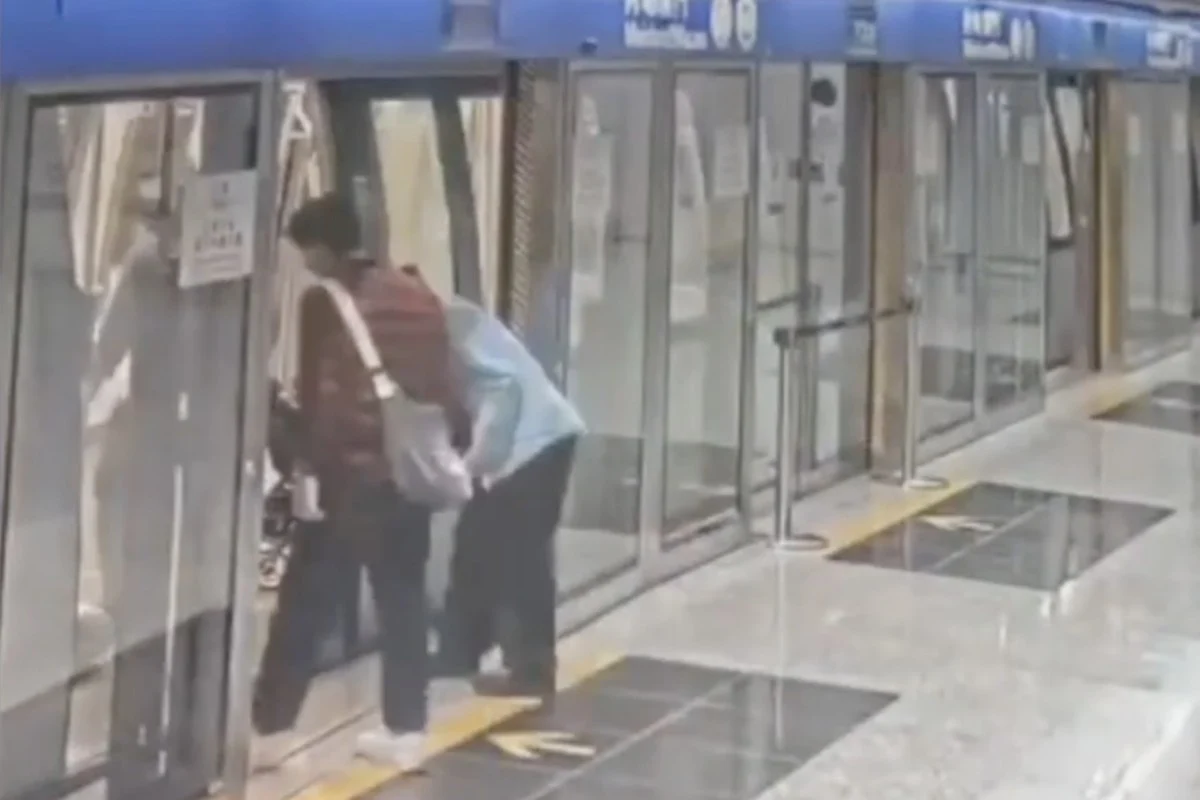
In 2024, a young girl fell into the gap between the platform and an automated train at Hong Kong International Airport, one of the world’s busiest aviation hubs. The incident occurred within the airport’s Automated People Mover (APM) system, a transport service used daily by passengers, families, airport staff, and travelers with luggage.
The child was rescued before suffering serious injury. However, the incident prompted authorities to call for improved train and platform safety measures at the airport.
This event highlighted a critical concern: even in modern, automated transport systems, the platform gap remains a real and present risk.
Source: South China Morning Post – “Hong Kong airport told to step up train safety after girl’s platform gap fall”
Why This Matters in Airport Transit Systems
Airport APM systems serve:
Families with children
Elderly passengers
Travelers with luggage and reduced mobility
International visitors unfamiliar with the system
In these environments:
Attention is divided
Passenger movement is unpredictable
Any gap becomes a hidden hazard
What If a Platform Gap Filler Had Been Installed?
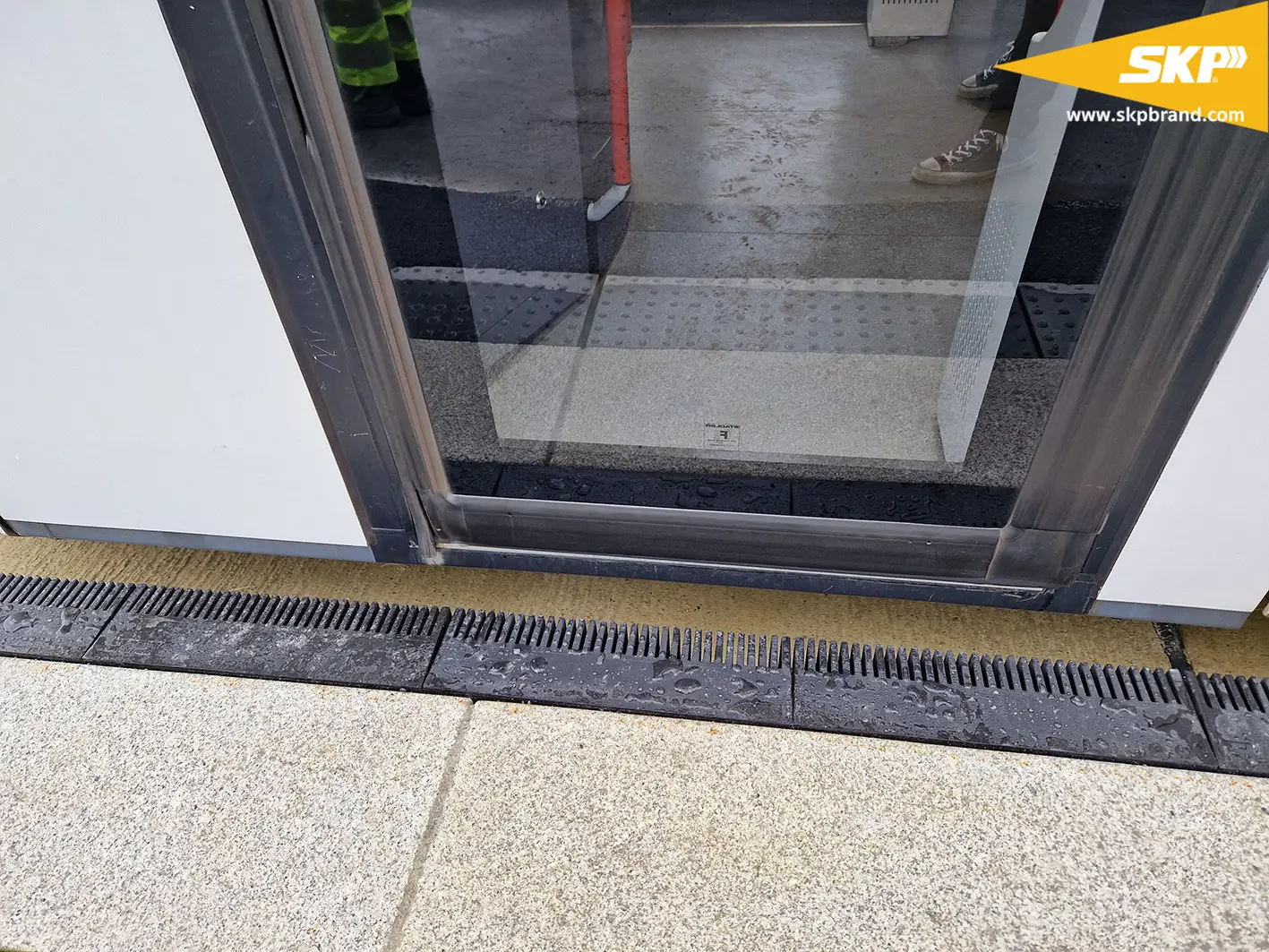
What if the physical gap between the train and the platform had been eliminated by design?