Closing the Platform Gap for Visually Impaired Passengers
Incident Summary
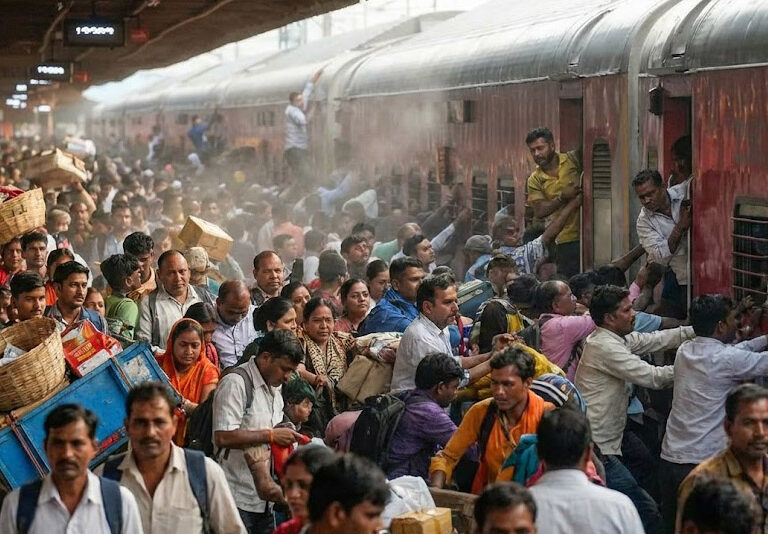
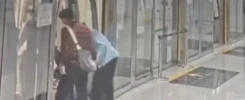
In 2025, a visually impaired man fell into the gap between a train and the platform at a busy suburban railway station in India. The incident occurred during normal boarding conditions. The passenger was not rushing and did not violate any safety rules. Due to the unprotected platform gap, he slipped between the train and the platform and later died from his injuries.
This case highlights a critical risk faced by passengers who rely on tactile navigation rather than visual cues.
If a Platform Gap Filler had been in place, the physical gap would have been eliminated at the infrastructure level.
The boarding surface would have been continuous
The passenger would not have been exposed to an unseen drop
No reliance on vision or reaction time would have been required
The accident could have been prevented by design, not behavior.
Why This Matters
Visually impaired passengers are disproportionately affected by platform gaps. Warning signs and announcements are insufficient where hazards cannot be perceived.Infrastructure must compensate for human limitations—not expose them.
Evaluate platform gap mitigation as part of accessibility and safety upgrades. Platform Gap Fillers should be considered essential infrastructure at stations serving vulnerable passengers.