SKP Platform Gap Filler × Airport Rail Link | Case Study
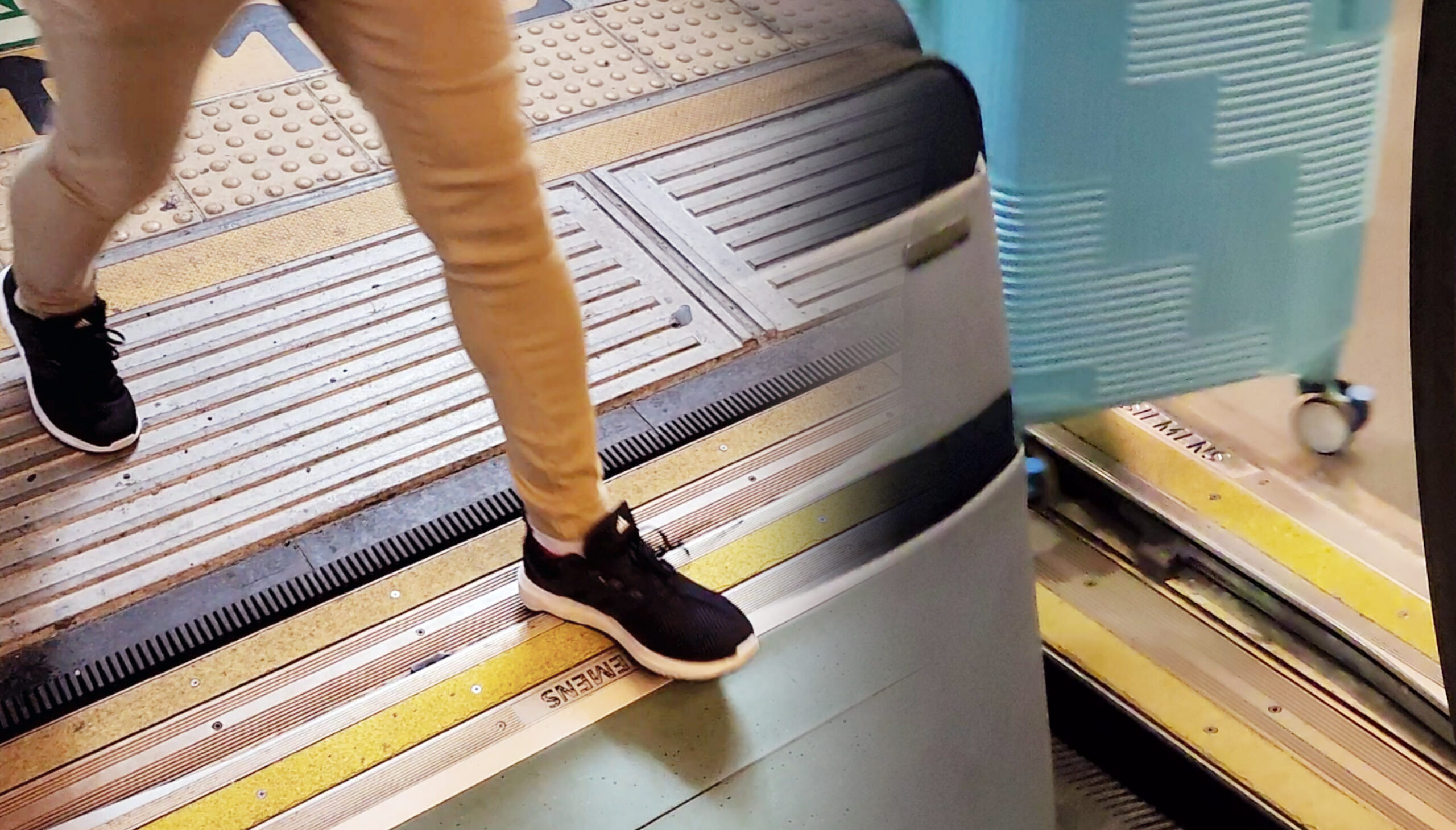
**A platform gap filler is a device installed along the platform edge to help reduce the gap between a train and the platform, supporting safer boarding and alighting.** This case study explores the use of SKP Brand’s Platform Gap Filler at Airport Rail Link in Bangkok, Thailand, with insights from an operator representative on product performance, maintenance and passenger safety.
SKP Brand’s Platform Gap Filler at Airport Rail Link
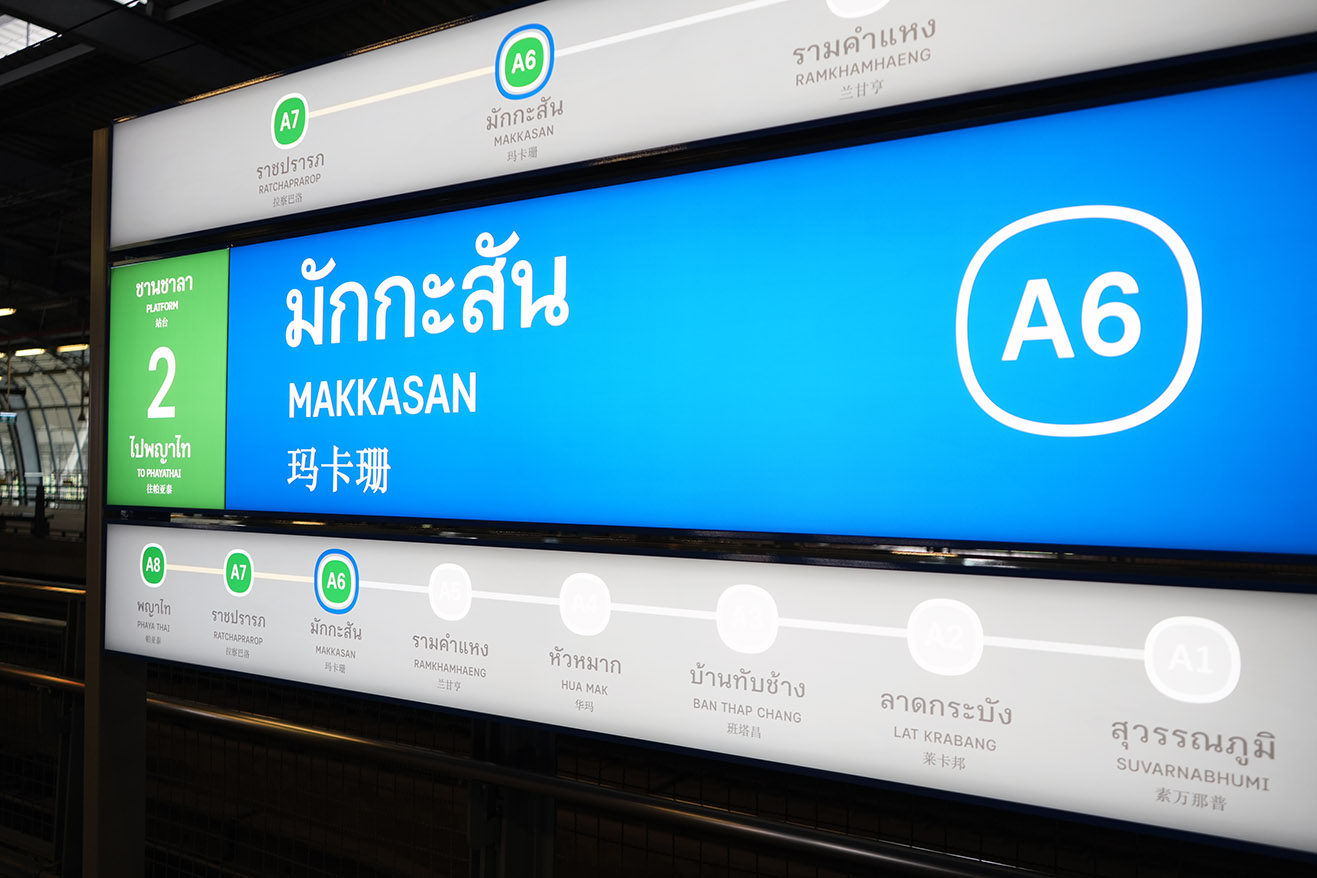
SKP Brand, a brand of S.K. Polymer, visited Airport Rail Link to explore the product in use and speak with Mr. Kunlachat, an interviewee from Asia Era One Co., Ltd., about his experience with railway operations and the installed equipment.
At the time of the interview, the presenter stated that SKP Brand’s Platform Gap Filler had been installed at Airport Rail Link for more than four years. Mr. Kunlachat discussed approximately two years of experience since the company had taken over operations. These figures describe different periods and reflect the circumstances when the interview was recorded.
The conversation offers an operator’s perspective on how the product performs in service, including its strength, maintenance experience and role in addressing the platform gap.
What Is a Platform Gap Filler?
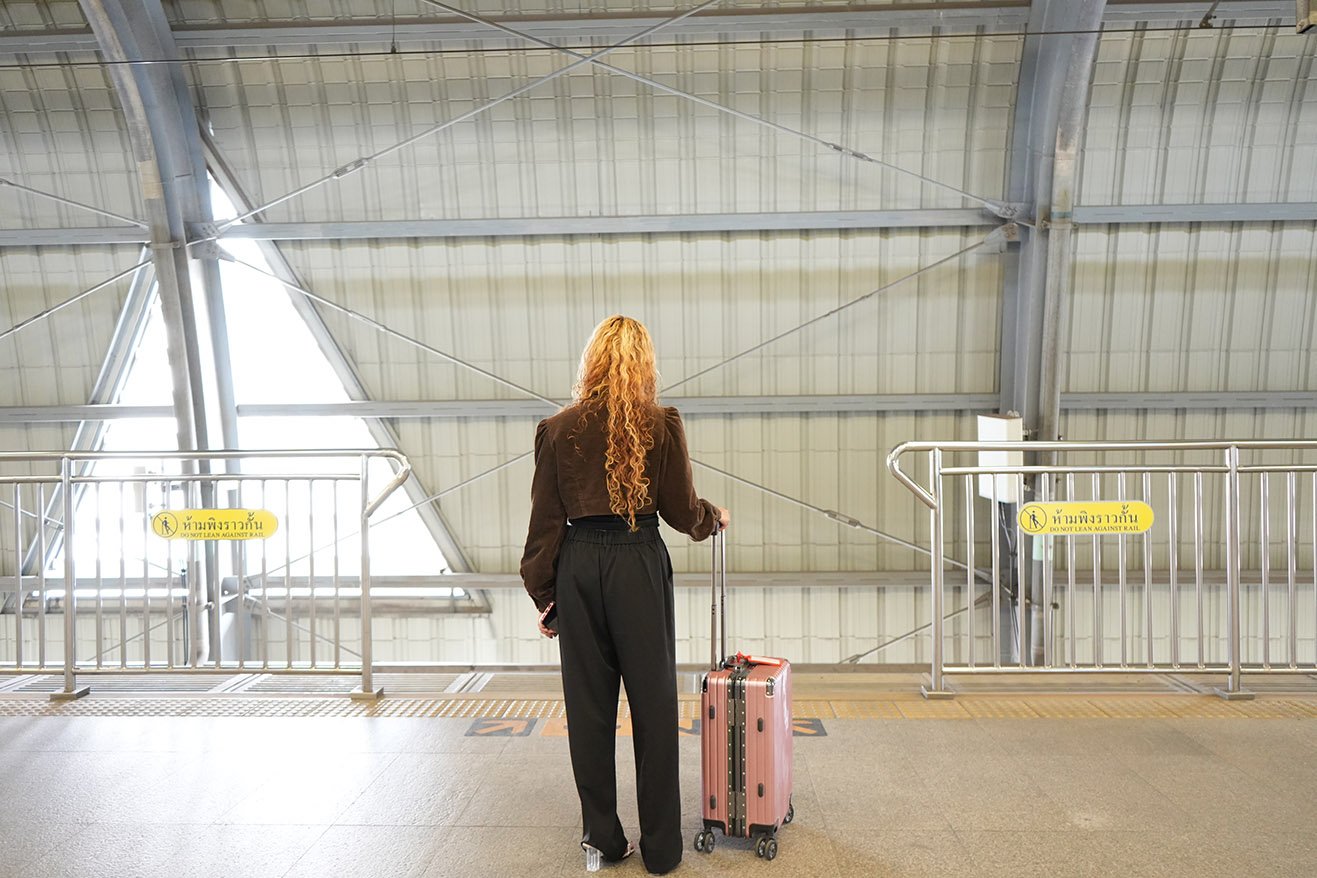
Passengers cross the space between a train and the platform every time they board or leave a service. Managing this gap is an important consideration for railway operators, particularly when serving wheelchair users and passengers travelling with strollers or luggage.
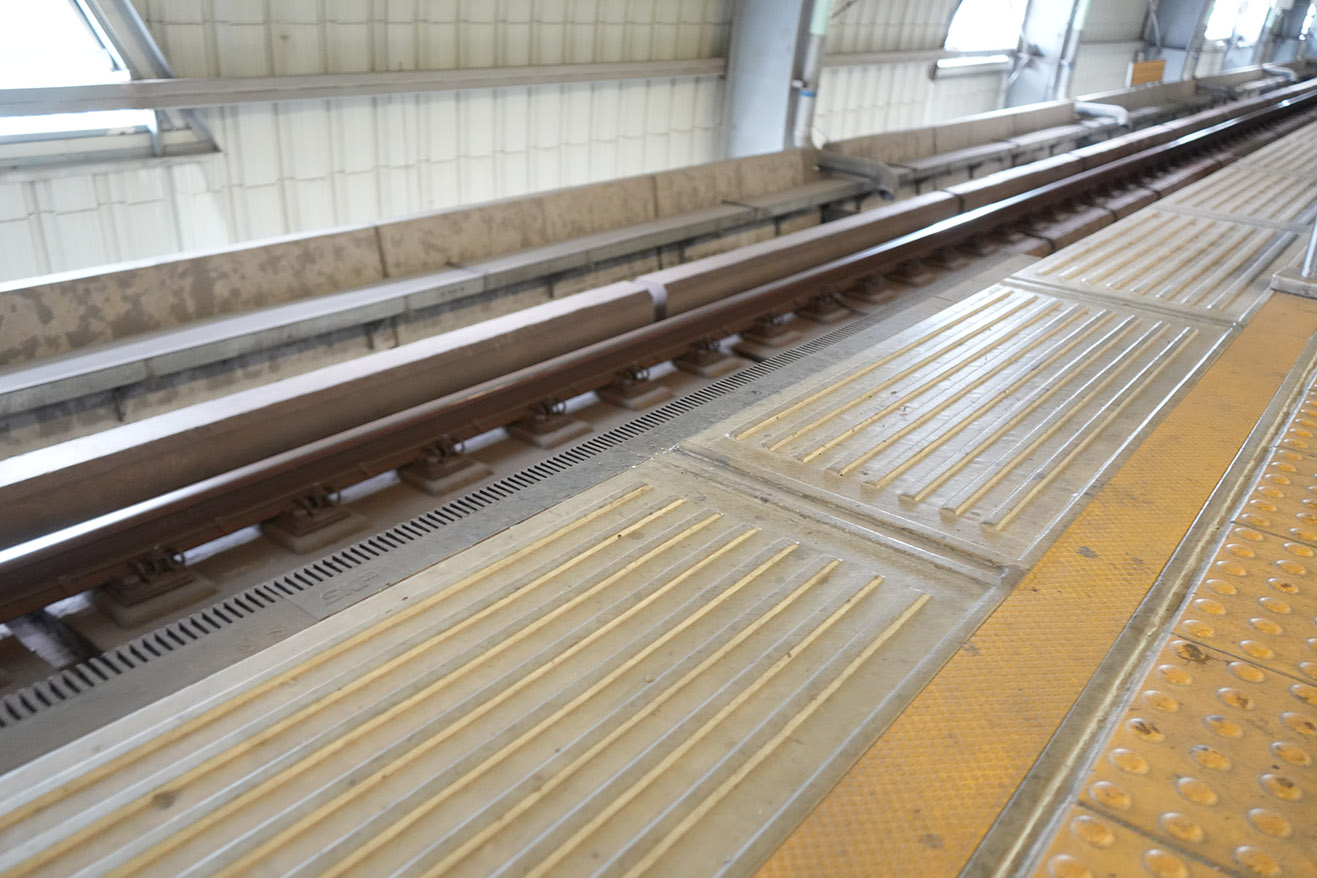
A platform gap filler, also known as a PGF, helps reduce this space at the platform edge. The SKP Brand product introduced in the video combines rubber and steel components for use at the interface between the platform and the train.
Operator Feedback on Performance and Maintenance
During the interview, Mr. Kunlachat described the installed Platform Gap Filler as strong and performing well. He also explained that reducing the gap between the train and the platform could help reduce the risk of accidents associated with that space.
When asked about installation and maintenance, he reported that the equipment had continued to perform well and had not required maintenance during the period he discussed. He also acknowledged the product’s design and the quality of its materials.
This feedback describes a specific operating experience. Inspection and maintenance plans for each installation should follow the manufacturer’s requirements, site conditions and the railway operator’s procedures.
Considering Different Passenger Needs
Mr. Kunlachat’s message to railway and public transport operators was to make passenger safety a priority. His comments covered everyday passengers as well as wheelchair users and people travelling with strollers, luggage and other belongings.
Reducing the gap at the platform edge is one part of addressing these different needs. It works alongside station design, operating procedures and other safety measures at boarding and alighting points.
For teams planning platform improvements or railway projects, the Airport Rail Link case provides a practical example of how equipment at the train–platform interface relates to the passenger experience.
Planning a Platform Gap Filler Installation
Selecting a platform gap filler starts with understanding the site. Gap dimensions, installation positions, platform geometry and operating conditions help the project team assess the appropriate product configuration and installation approach.
For an initial discussion with SKP Brand, prepare:
– The gap dimensions between the train and the platform. – Drawings or photographs of the proposed installation area. – The installation length at each location and the number of locations. – Any operating conditions or project-specific requirements.
Planning a platform gap filler solution for your railway project?
“S.K. Polymer is a specialist in polymer research, development, and manufacturing, with over 40 years of engineering experience.
״