SKP Platform Gap Filler Installation Underway for Bangkok’s Orange Line: Safety from Installation to Service
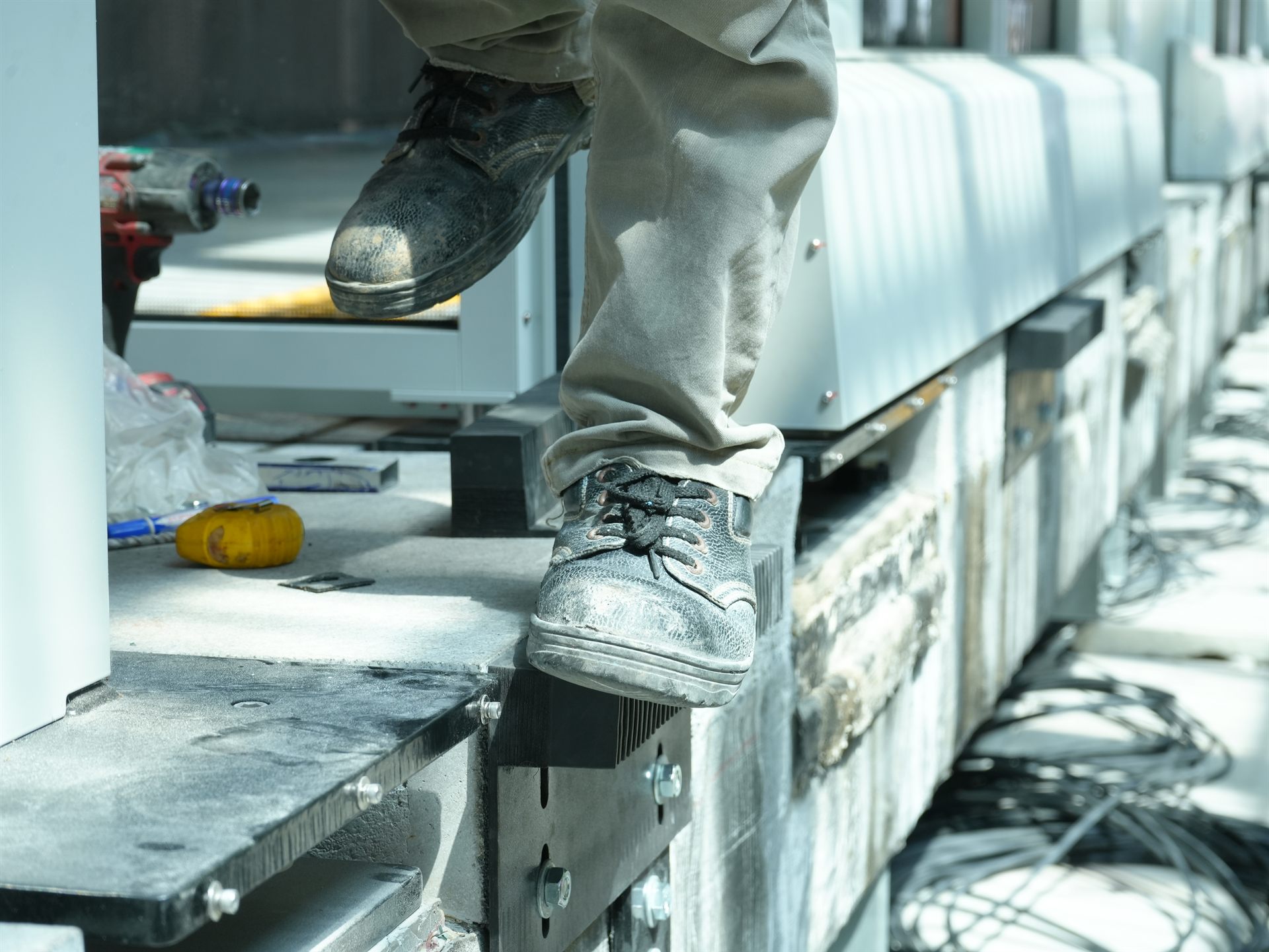
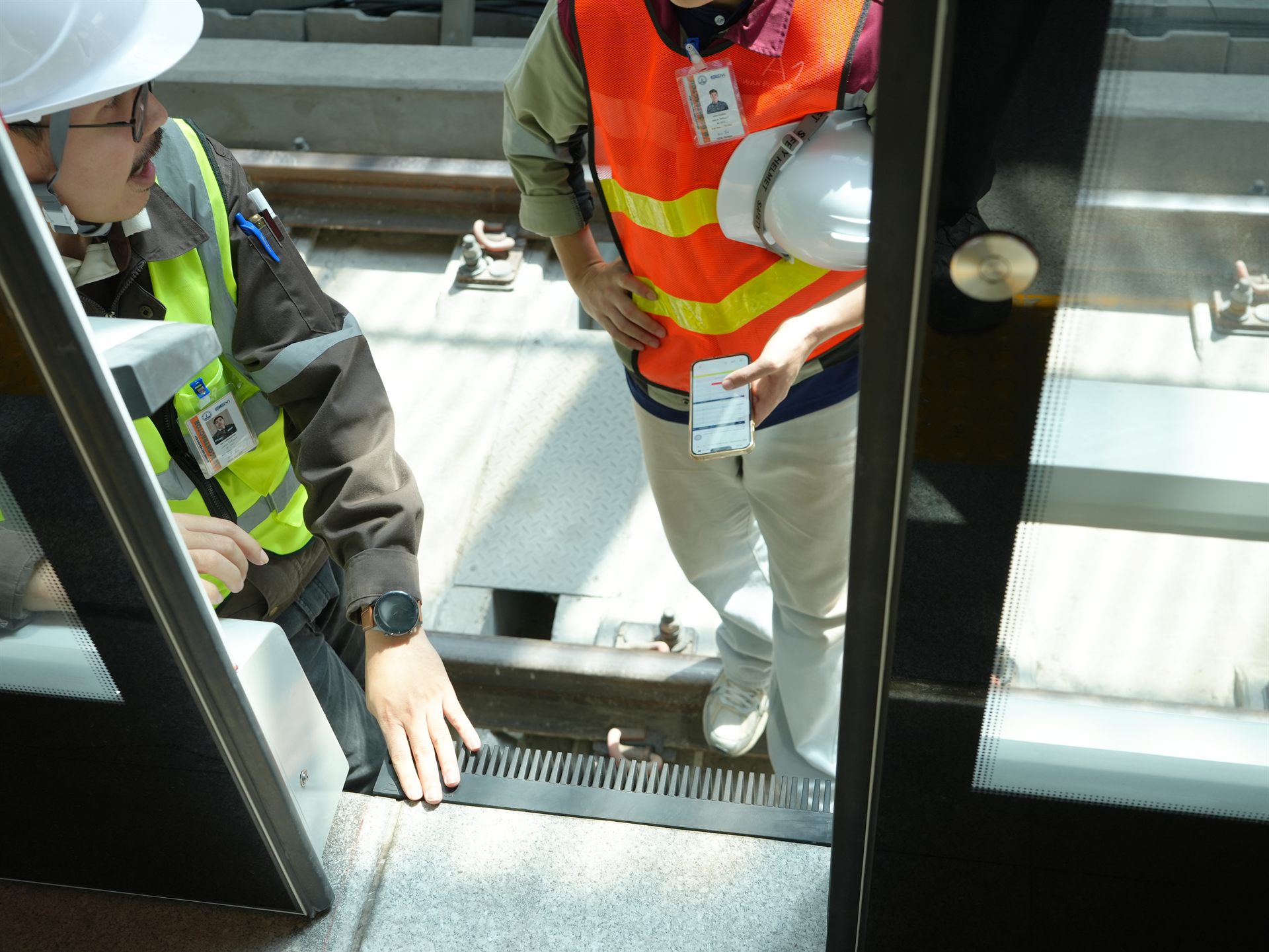
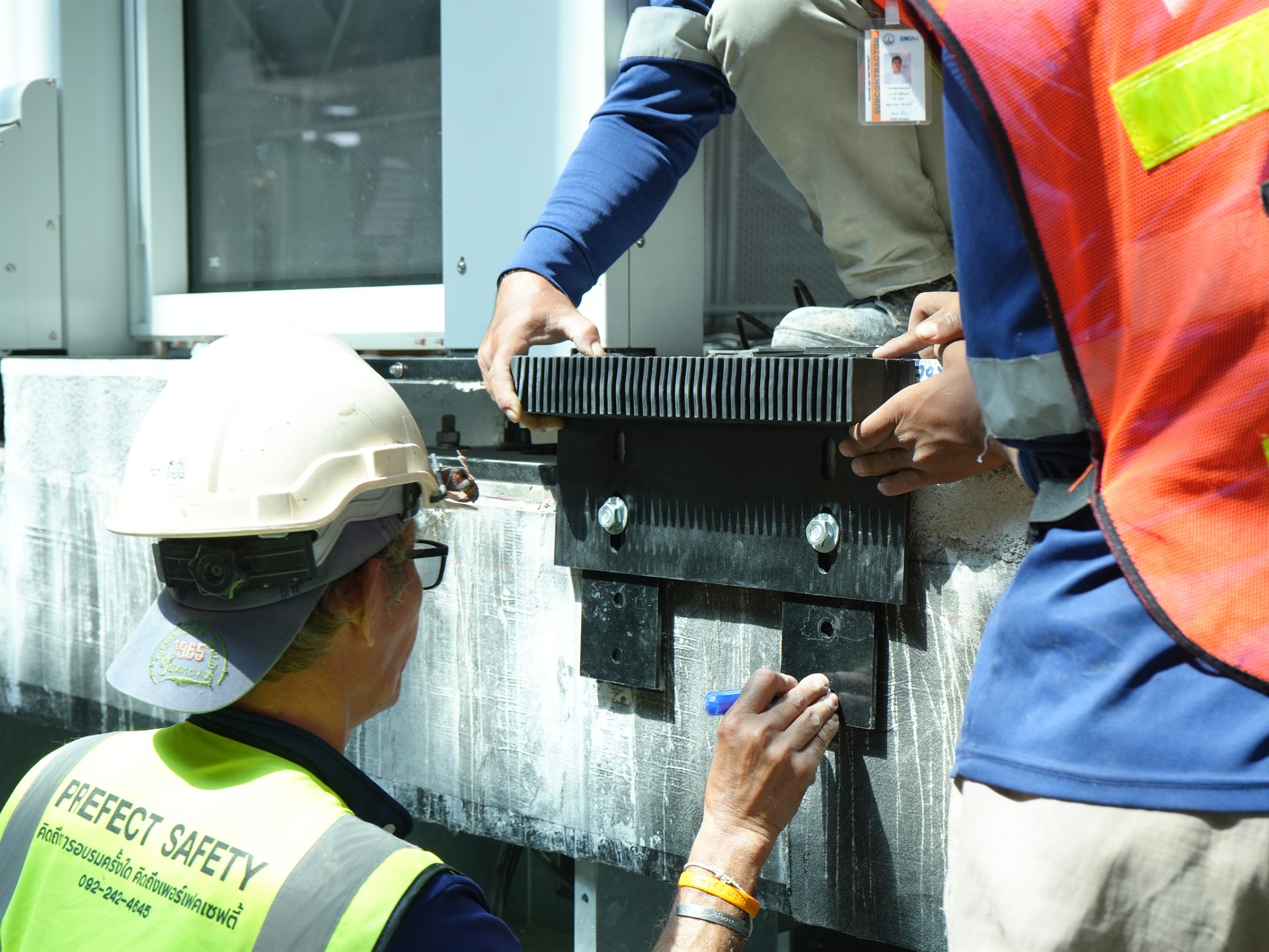
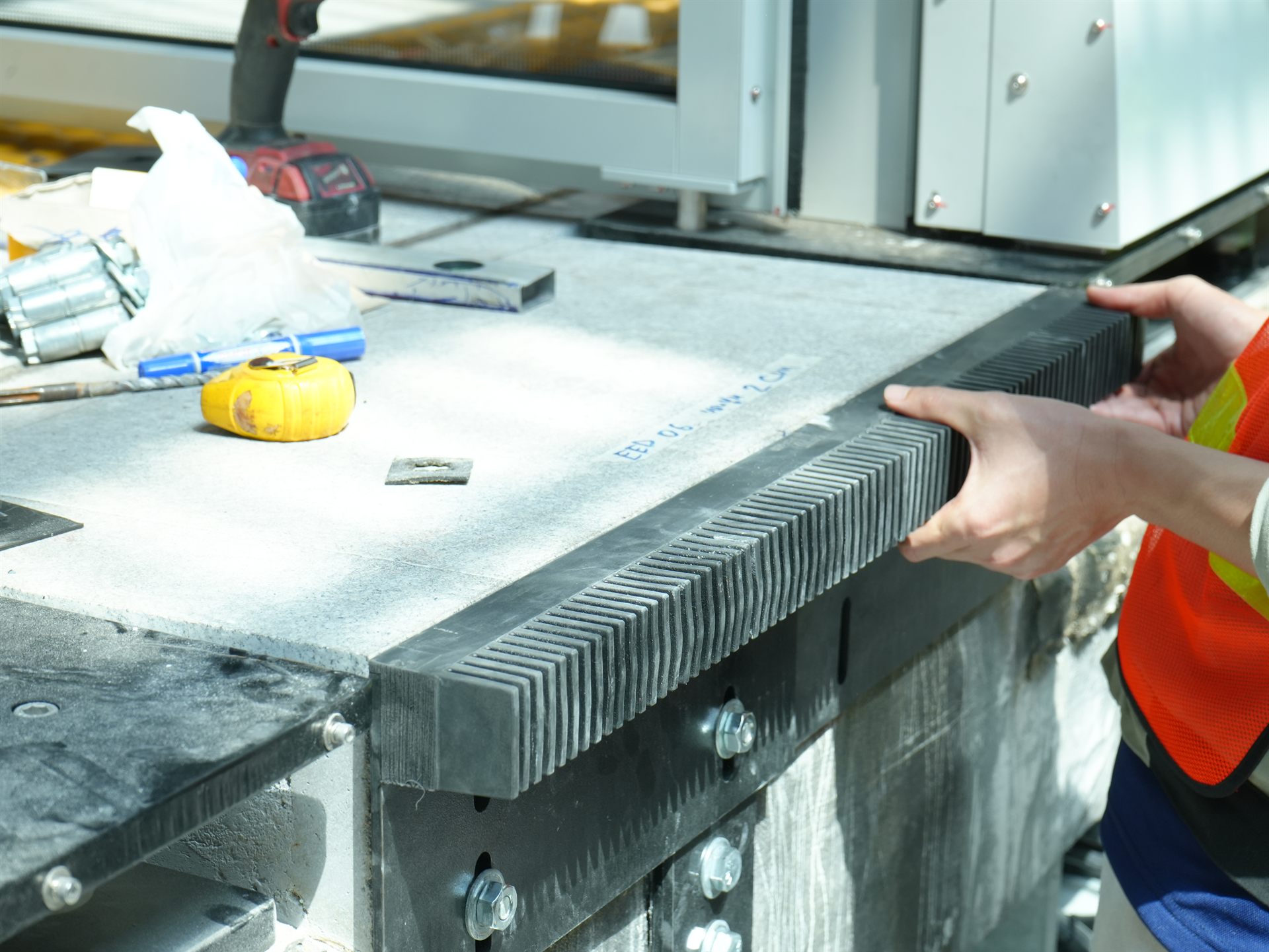
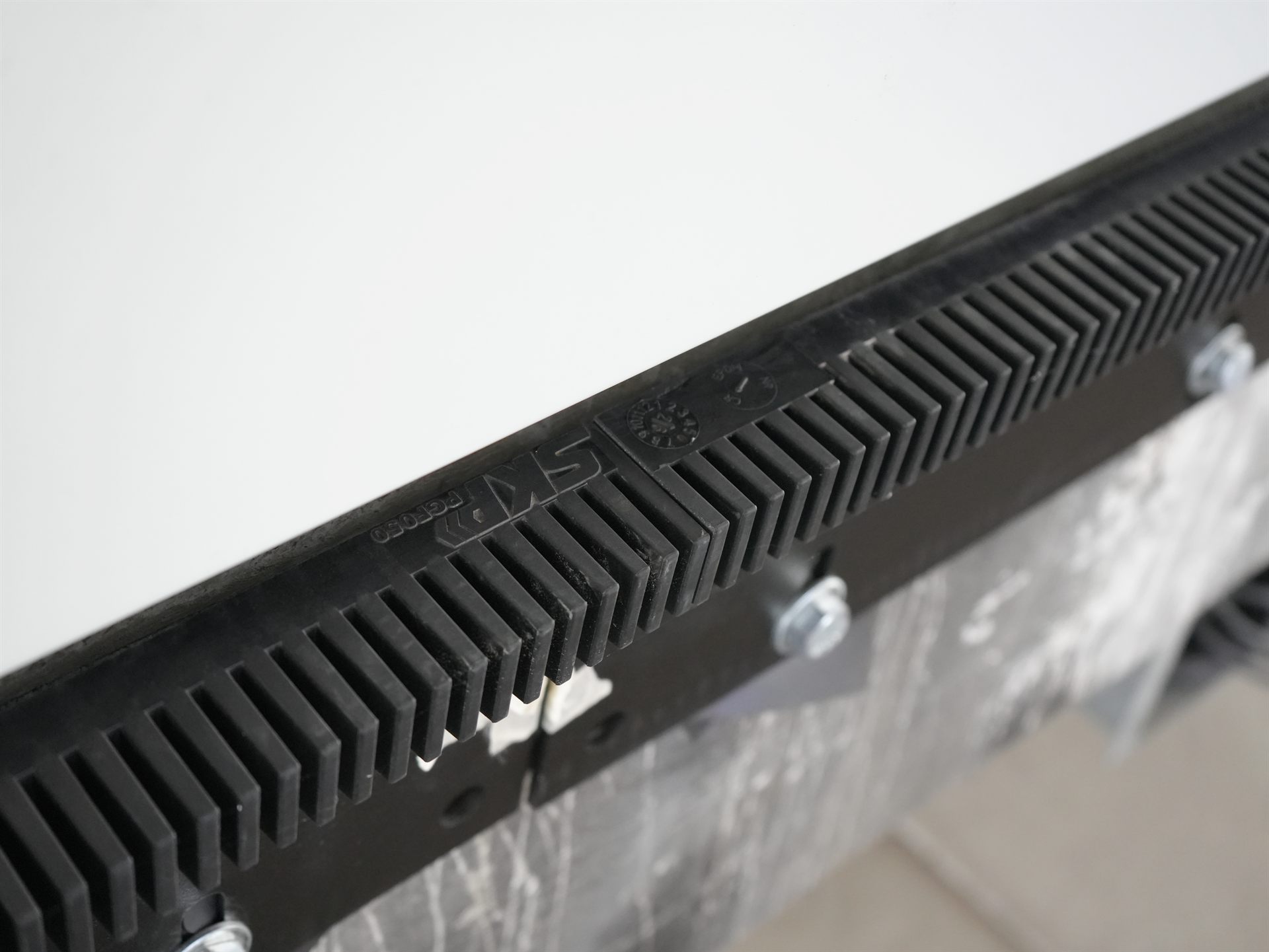
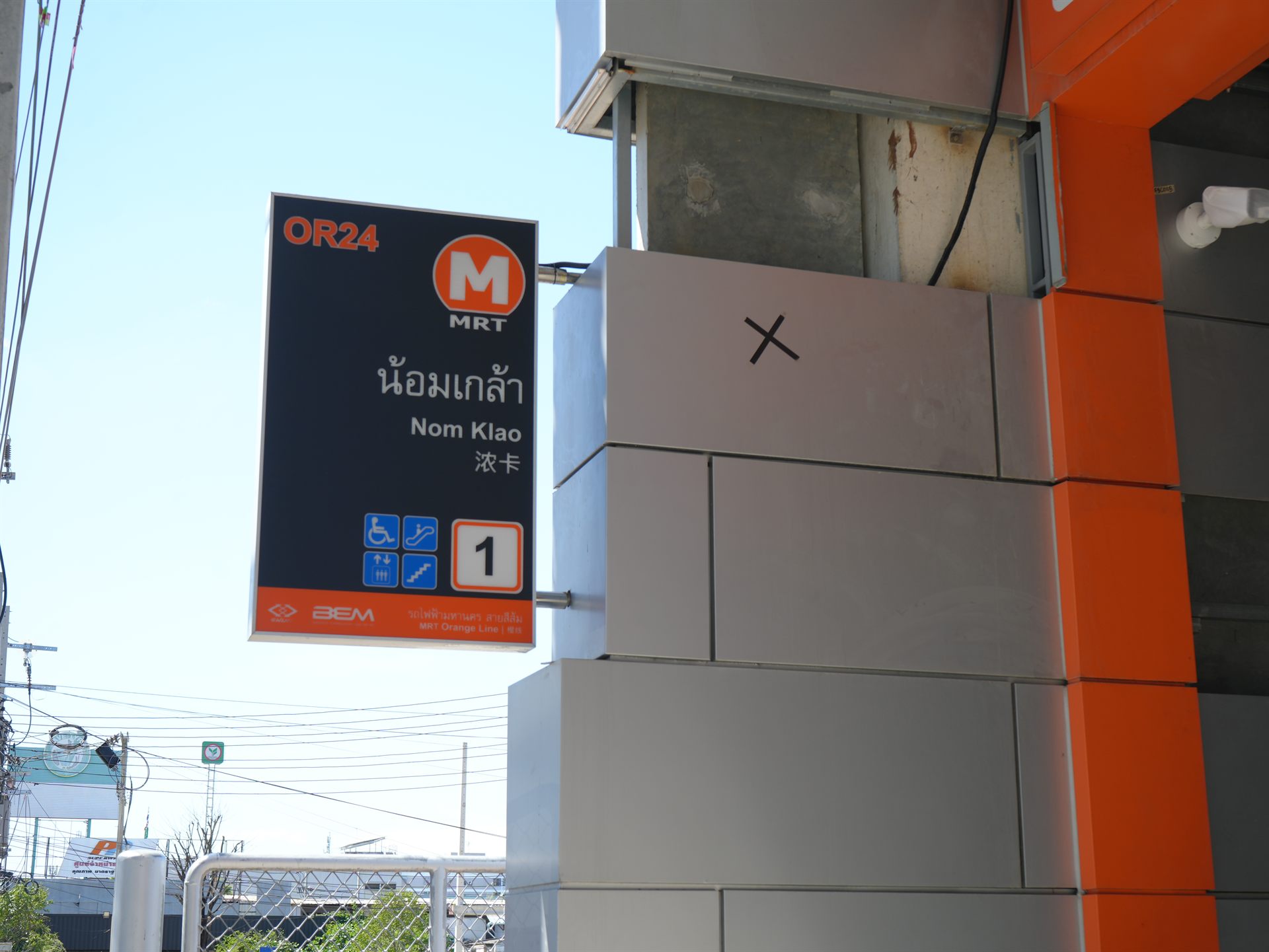
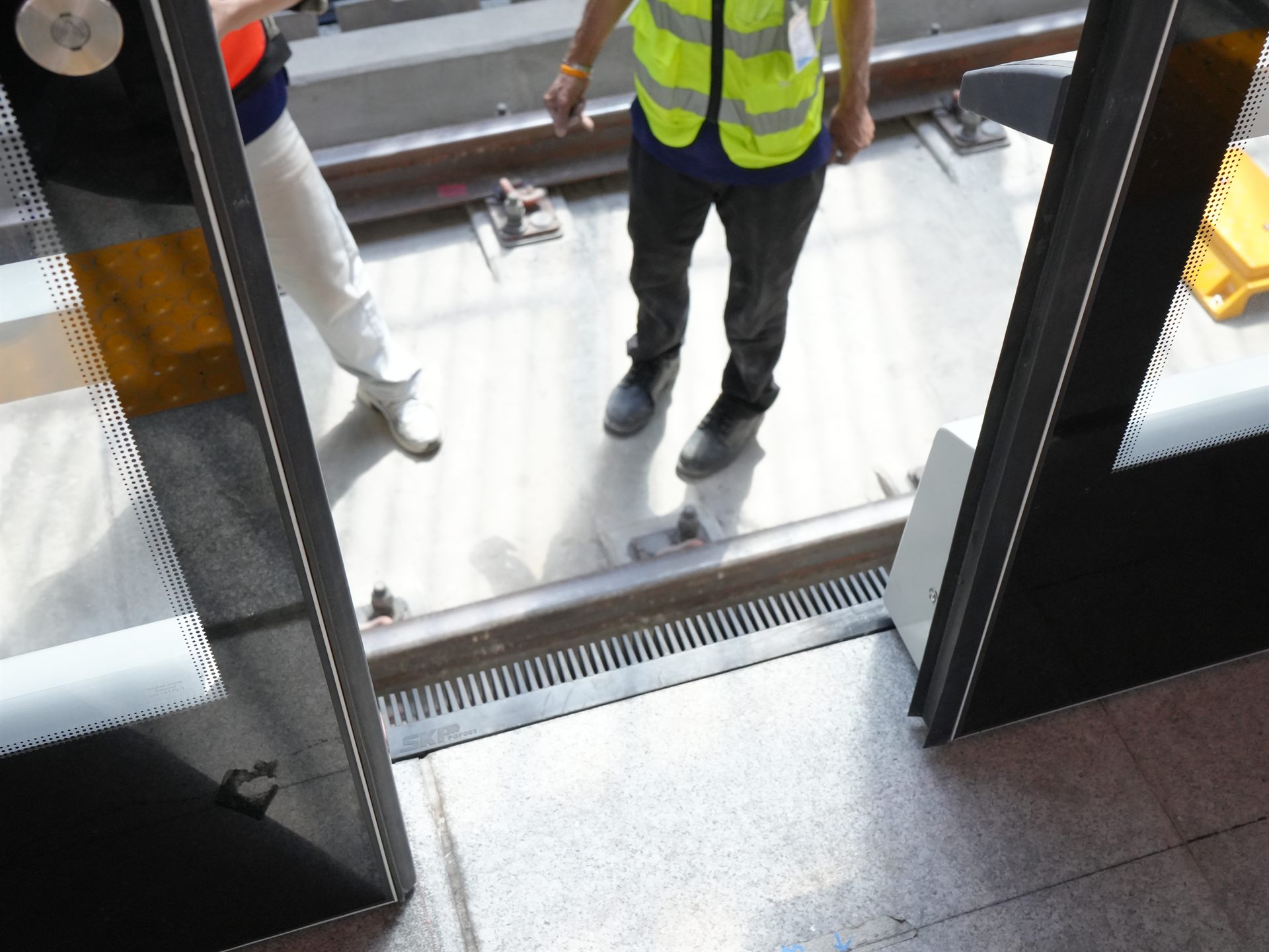
SKP is currently installing Platform Gap Fillers (PGFs) for Bangkok’s Orange Line project to support passenger safety at the platform–train interface. Installation is ongoing and has not yet been completed. The accompanying photographs show work in progress and component details during installation.
Platform-edge safety depends on several factors working together: product design, installation position, secure fixings, compatibility with rolling stock, and continued inspection. PGFs are therefore one part of a wider approach to managing boarding and alighting risks.
What Is a Platform Gap Filler?
A Platform Gap Filler is a component used to reduce the gap between the platform edge and a train at the platform–train interface (PTI). Its profile, dimensions and installation position must suit the platform and rolling stock of the railway system concerned.
Gaps and differences in height can create risks of trips and falls, particularly for older passengers, people with reduced mobility, and families travelling with young children. Managing this interface is an important part of boarding safety. Platform safety guidance from ORR
RSSB research has evaluated platform gap filler solutions for their potential to reduce slips, trips and falls at this interface. Their effectiveness must be assessed against the actual installation conditions and system design. RSSB research project T1054
Bangkok’s Orange Line: Connecting the City from West to East
The Orange Line project connects Bang Khun Non with Min Buri (Suwinthawong), covering 35.9 kilometres and 28 stations. It comprises an eastern section between Thailand Cultural Centre and Min Buri (Suwinthawong), and a western section between Bang Khun Non and Thailand Cultural Centre.
These figures describe the overall railway project, not the number of stations included in SKP’s PGF installation scope. Project information from MRTA
Within this transport infrastructure, the areas passengers interact with directly deserve close attention. One of these is the boundary between the platform and the train, which passengers cross whenever they board or alight.
This flexibility matters because installation locations can differ in gap geometry, supporting structures and adjacent equipment. Product selection must therefore be linked to site assessment and project engineering requirements.
These are product-level design capabilities. They do not confirm model-specific test results or installation acceptance for the Orange Line project.
What Matters for Safe PGF Installation?
Installing a PGF is not simply a matter of making the gap as small as possible. The design must balance passenger stepping conditions with the clearance needed for train movement. Important considerations include:
Approved position and clearance Assess the platform edge, installation position and relevant tolerances while allowing for train movement. Clearances must follow the project’s engineering assessment rather than a generic dimension.
Supporting structure and secure fixings Mounting surfaces, brackets and fasteners must suit the component design. Installation and inspection should follow the project and manufacturer requirements.
Alignment, level and component condition Check for raised edges, loose sections or obstructions that could introduce additional hazards. Joints between components and the surrounding area also require attention.
Compatibility with adjacent systems Consider the relationship with rolling stock, platform screen doors, and inspection or maintenance access so that the PGF functions as designed without interfering with neighbouring equipment.
These points are general engineering considerations, not an installation manual or a record of completed SKP inspections. Actual work must follow the requirements applicable to the project. Transport for NSW guidance provides an example of the importance of gap filler design and approval; it does not establish which standards apply to Bangkok’s Orange Line. Transport for NSW reference
Frequently Asked Questions About Platform Gap Fillers
What risks can PGFs help address? PGFs reduce the gap at the platform–train interface and form part of the measures used to manage boarding and alighting risks. Their effectiveness depends on design, installation and operating conditions.
Do PGFs prevent every boarding accident? No. PGFs must work alongside other measures, including platform screen doors, operational controls, inspection and passenger awareness.
Does a PGF allow every wheelchair user to board independently? Not necessarily. The remaining horizontal gap, vertical step and applicable accessibility requirements must also be assessed.
Should the same PGF clearance be used on every railway project? No. A dimension used on one project should not automatically be applied to another. Installation clearances must follow the approved design and the compatibility assessment for the platform and rolling stock.
Has SKP completed PGF installation for the Orange Line? No. SKP is currently carrying out installation work, and the work has not yet been completed.
For further information on product design and available configurations, visit SKP Platform Gap Fillers.
“S.K. Polymer is a specialist in polymer research, development, and manufacturing, with over 40 years of engineering experience.
״